Unicaf University Students Inspired By Visit to BongoHive Hub
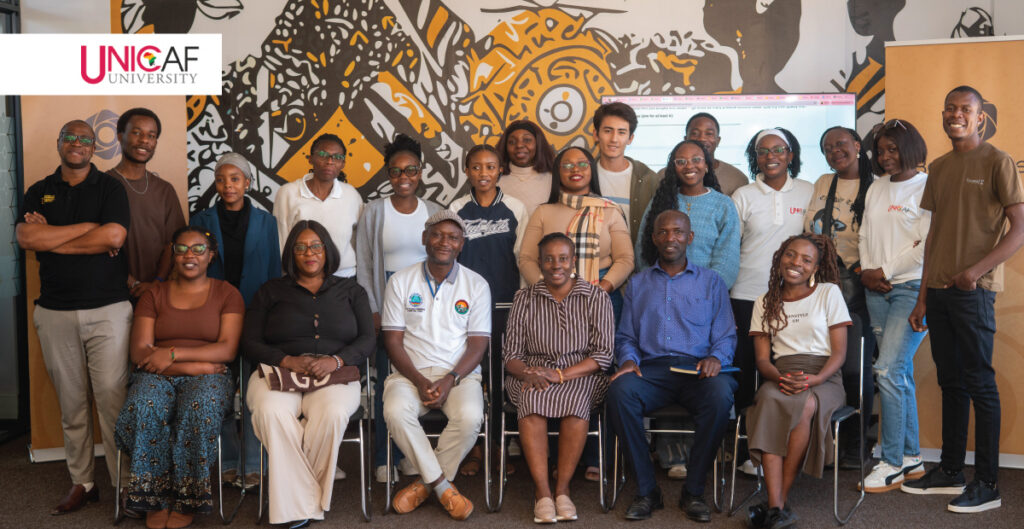
Students from Unicaf University, Zambia were thrilled to have the opportunity to visit the BongoHive Technology & Innovation Hub in Lusaka on July 31. By engaging with Zambia’s leading innovation ecosystem, students gained valuable insights into how technology, entrepreneurship, and collaboration can be collectively harnessed to address real-world challenges effectively, in addition to gaining a deeper understanding of entrepreneurship support systems, as well as firsthand knowledge of how innovative concepts can be translated into practical, impact-driven solutions through interaction with experienced practitioners.
Consisting of guided facility tours, overviews of the hub’s various units, including innovation, technology, and entrepreneurship, as well as interactive discussions and activities, the visit proved highly informative for students, as demonstrated by their high level of interest and engagement throughout the programme. Their participation reflected not only a strong enthusiasm for learning beyond the classroom, but also a growing awareness of career pathways within technology-focused fields, such as artificial intelligence and software engineering, in addition to opportunities in innovation and entrepreneurship. Students also gained a greater understanding of the importance of collaboration in developing impactful solutions to societal challenges, highlighting the need for innovative and entrepreneurial thinking to address these effectively.
A key highlight of the visit was an interactive activity in which students, working collaboratively in groups, were tasked with analysing a case study regarding a digital health platform in order to identify the primary challenges its users faced, evaluate their underlying causes, and develop and propose practical intervention strategies and methods, all while considering how their effectiveness and impact could be measured. This exercise encouraged students to apply structured problem-solving techniques and critical thinking skills to real-world challenges, enabling them to gain a deeper appreciation of the role of human-centred design in developing innovative solutions. The collaborative nature of the task also helped strengthen students’ teamwork, communication, and analytical skills.
At Unicaf University, we are dedicated to providing students with greater experiential learning opportunities. Through this visit, our students gained a deeper, more holistic understanding of the process of transforming innovative ideas into real-world, sustainable solutions within the Zambian context, while simultaneously fostering creativity and collaboration. Unicaf University remains committed to continuing to provide students with such opportunities in the future, successfully bridging the gap between academic instruction and entrepreneurial thinking.
Recent Posts

October 20, 2026